The Hidden Truths of Luton Beyond the Tourist Trail
- hoodboxoffice
- Nov 3, 2025
- 4 min read

Updated: Dec 1, 2025
Luton rarely appears in glossy travel brochures or popular documentaries. It’s a city often overlooked or misunderstood, reduced to headlines or stereotypes. Yet, beneath the surface lies a complex place shaped by history, culture, and the everyday lives of its residents. This post reveals the side of Luton that few visitors see: the neighborhoods, stories, and communities that give the city its true character.
Instead of polished landmarks and curated experiences, we explore the backstreets, aging estates, and industrial zones that tell a different story. This is a city of resilience and diversity, where people face challenges but also build strong connections and rich cultural traditions. If you want to understand Luton beyond the usual tourist trail, this is the place to start.
The Neighborhoods You Won’t Find in Travel Guides
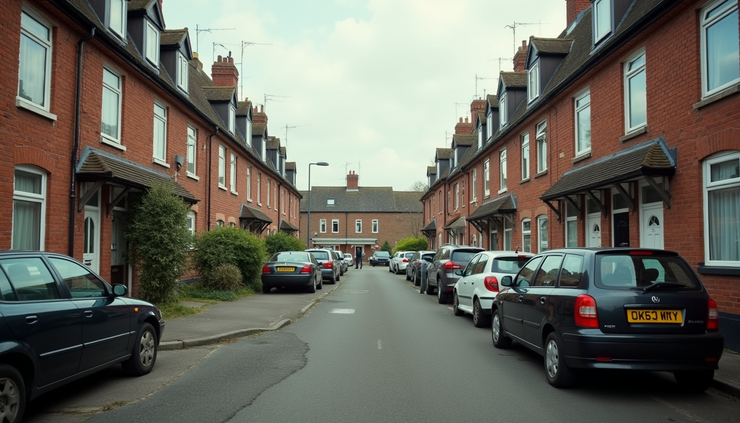
Luton’s reputation often focuses on its airport or its proximity to London, but the city itself is a patchwork of distinct neighborhoods. Many of these areas have histories tied to industry, migration, and social change. For example:
Biscot and High Town: Once working-class districts built around the hat-making industry, these neighborhoods now reflect a mix of cultures and generations. The streets show signs of wear but also community spirit, with local shops, markets, and places of worship.
Lewsey Farm and Marsh Farm: These estates were built in the mid-20th century to house workers and their families. Today, they face economic challenges but also host grassroots initiatives aimed at improving life for residents.
Industrial Zones near the airport: Factories and warehouses dominate these areas, often hidden behind fences and gates. They represent Luton's role in manufacturing and logistics, providing jobs but also shaping the city’s landscape.
Walking through these neighborhoods, you notice the layers of history and the everyday realities that don’t make it into tourist brochures. The architecture ranges from Victorian terraces to post-war council estates, each telling a story about the people who lived and worked there.
Stories of Resilience and Community
Luton’s population is one of the most diverse in the UK, with communities from South Asia, Eastern Europe, Africa, and beyond. This diversity brings vibrancy but also challenges, especially in areas with limited resources.
Local residents often speak about the pride they take in their neighborhoods despite hardships. Community centers, faith groups, and local charities play a vital role in supporting families and creating spaces for connection. For example:
The Luton Irish Forum offers cultural events and support for the Irish community, preserving traditions while helping integration.
The Luton Culture Trust organizes arts and heritage projects that celebrate the city’s diversity and history.
Grassroots groups run food banks, youth clubs, and educational programs, showing how residents work together to improve their surroundings.
These stories reveal a city that refuses to be defined by negative headlines. Instead, it shows strength through cooperation and a shared sense of belonging.

The Complex History Behind Luton's Present
Understanding Luton today means looking at its past. The city grew rapidly during the Industrial Revolution, especially with the hat-making industry that once employed thousands. This industrial boom attracted workers from across the UK and abroad, shaping Luton's multicultural identity.
Post-World War II, Luton expanded with new housing estates to accommodate returning soldiers and growing families. The decline of manufacturing in the late 20th century hit the city hard, leading to economic struggles and social changes.
More recently, Luton's role as a transport hub, with its airport and proximity to London, has brought new opportunities and pressures. The city faces challenges like housing shortages, unemployment, and social inequality, but also benefits from a young, dynamic population and ongoing regeneration projects.
Exploring Luton's history helps explain why some areas look the way they do and why certain issues persist. It also highlights the city’s ability to adapt and reinvent itself.
Hidden Corners and Urban Exploration
For those interested in urban exploration, Luton offers many spots off the beaten path. From abandoned industrial buildings to quiet parks tucked away behind busy streets, the city has layers waiting to be discovered.
The former hat factories stand as reminders of Luton's industrial past, some repurposed, others left empty but still full of character.
Wardown Park offers green space and a museum that tells part of the city’s story, contrasting with the surrounding urban environment.
Small alleyways and side streets reveal street art, local markets, and everyday scenes that capture the city’s energy.
Exploring these hidden corners gives a more complete picture of Luton’s identity, beyond what you see in guidebooks or online.

Why Luton Deserves More Attention
Luton challenges common assumptions about English cities. It is not a polished tourist destination but a living, breathing place with real people and real stories. Its diversity, history, and community spirit make it unique.
For travelers who want to go beyond the usual sights, Luton offers an honest look at urban life in England. Documentary lovers and social historians will find rich material in its neighborhoods and residents. The city’s complexity invites curiosity and respect.
By sharing these hidden truths, we can appreciate Luton for what it really is: a city with challenges but also hope, shaped by the people who call it home.


Comments